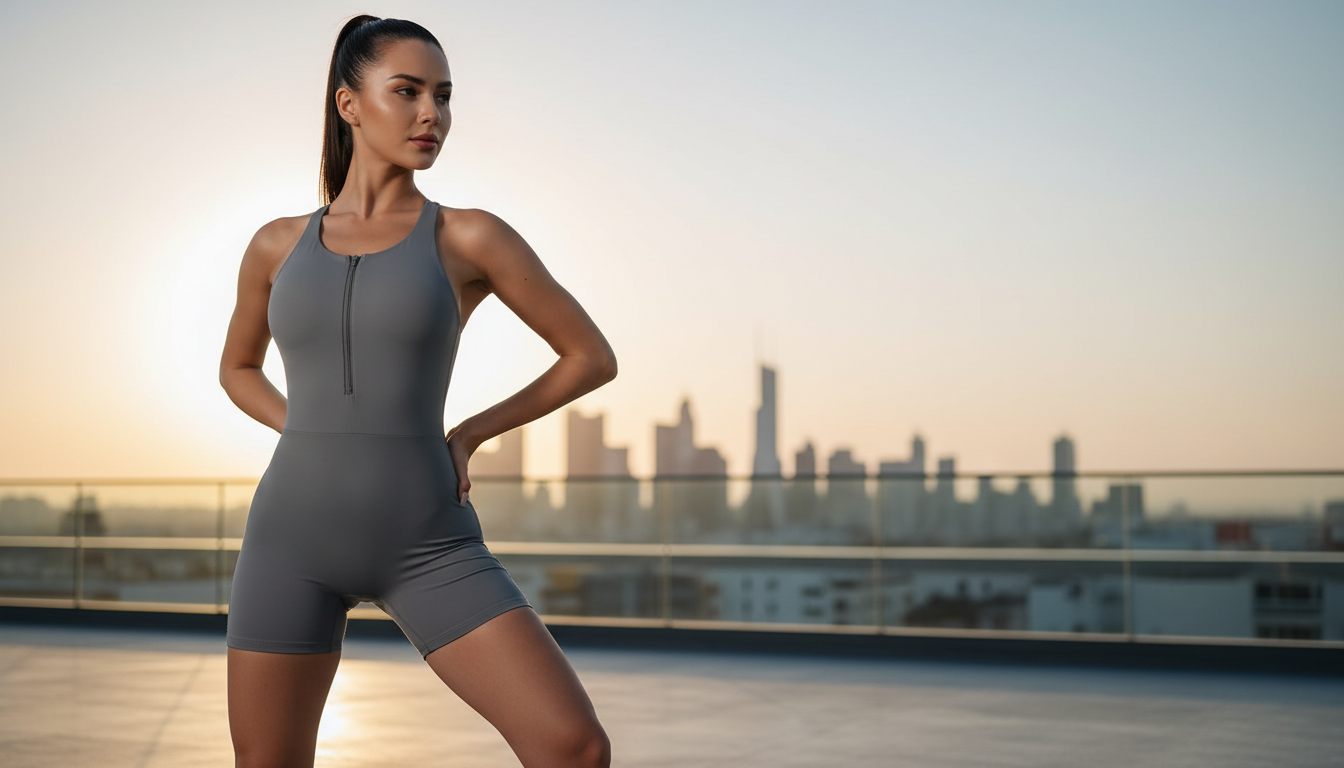
A sleeveless yoga jumpsuit streamlines getting dressed for practice while keeping movement unrestricted and fabric close to the body. The right one-piece can feel “set and forget”—no waistband to adjust mid-flow, no top to tug down in inversions, and an easy base layer for errands after class. Below is a practical guide to fit, fabric, styling, and care so the jumpsuit you choose feels as good in the studio as it looks on the street.
A one-piece earns its spot when comfort and alignment matter. Instead of coordinating a top and bottom (and hoping they move as one), a jumpsuit creates a single, stable layer that stays put through transitions.
For flexibility-focused sessions, comfort also comes down to how you move. Guidance from trusted fitness educators like American Council on Exercise (ACE) emphasizes safe, controlled ranges of motion—clothing that shifts or binds can make that harder than it needs to be.
Fit is the difference between “second skin” and “constant adjusting.” With a sleeveless jumpsuit, torso length matters more than most shoppers expect—because the fabric has to span shoulders to hips without tugging or sagging.
| Checkpoint | Good sign | If it’s off |
|---|---|---|
| Shoulders/straps | No digging; straps lie flat | Adjust size or choose a different strap/back style |
| Torso | No pulling when arms reach overhead | Try a longer torso or more stretch |
| Waist/hip | Stays in place through twists | Look for better recovery/compression |
| Thighs | No rolling or riding up | Consider a longer inseam or firmer knit |
| Neckline/armholes | Secure coverage in down-dog | Choose higher neckline or tighter armhole cut |
Fabric performance shows up fastest in warm rooms, long holds, and high-rep sets. When a jumpsuit feels great at minute five and distracting at minute forty-five, it’s usually a fabric issue—either heat retention, poor moisture management, or lack of opacity.
Comfort isn’t only about softness—it’s also about irritation prevention. Basic clothing considerations for exercise (like avoiding chafe points and choosing breathable materials) align with guidance from trusted health resources such as Mayo Clinic’s fitness basics.
A sleeveless yoga jumpsuit works best when you want a clean feel through the midsection and fewer moving parts. It’s also surprisingly versatile outside the studio with one smart layer on top.
For higher-intensity intervals, a jumpsuit can still work—just prioritize moderate compression and strong recovery so it doesn’t “grow” as you sweat.
If you prefer a change in silhouette after class, swapping into flowy bottoms can be an effortless reset without sacrificing comfort—options like Women’s Wide-Leg Pants pair well with the same easy, lounge-to-street vibe.
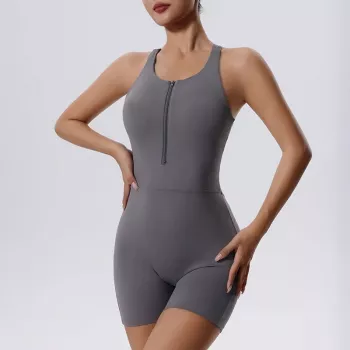
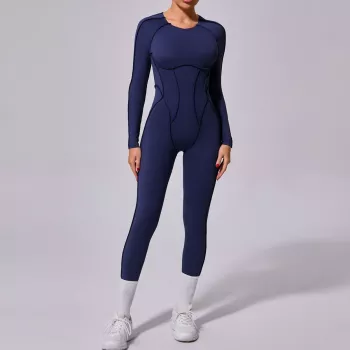
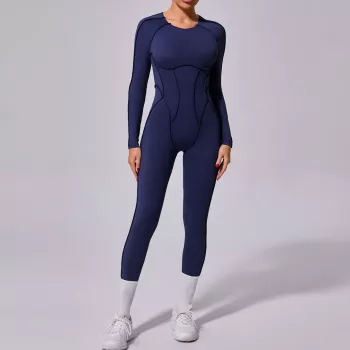
If a streamlined, layer-friendly one-piece is the goal, Women’s Sleeveless Yoga Jumpsuit offers a clean, movement-first approach for studio sessions and everyday wear. For cooler days or extra coverage, a long-sleeve one-piece can also be useful—especially for warm-ups and outdoor errands—like the Women’s Long Sleeve One-Piece Jumpsuit for Yoga & Fitness with Open Back.
| Item | Price | Availability |
|---|---|---|
| Women’s Sleeveless Yoga Jumpsuit | $39.51 | In stock |
| Women’s Long Sleeve One-Piece Jumpsuit for Yoga & Fitness with Open Back | $34.51 | In stock |
| Women’s Wide-Leg Pants | $57.82 | In stock |
They can, as long as the fit is close to the body with good stretch recovery and secure neckline/armholes. Torso length and the right compression level are key to preventing shifting during flows and transitions.
A supportive sports bra is the most common choice, with the style based on the jumpsuit’s neckline and back cut. Many people prefer seamless underwear to minimize lines and reduce friction during movement.
It should feel comfortable when you reach your arms overhead—no pulling at the shoulders and no sagging at the waist. The fabric should stay smooth through bends and twists without digging into the straps or bunching at the midsection.








Leave a comment